Collaborations go wrong in the gap between "yes, happy to work together" and the first draft. A written instagram creator collaboration process closes that gap by settling deliverables, dates and usage before anyone starts making anything.
Agree the specifics before the creative
Enthusiasm is not a brief. Before work begins, both sides should be able to answer: how many pieces, in what formats, by when, and what happens if the first version misses. Vagueness here is what produces the awkward conversation later, and it is almost always the brand's fault rather than the creator's.
Usage is the term most often skipped and most often disputed. Where can the material appear, for how long, and can it be edited or boosted? A creator who agreed to one post has not necessarily agreed to a year of advertising, and discovering that after the fact damages a relationship you probably wanted to repeat.
The working sequence
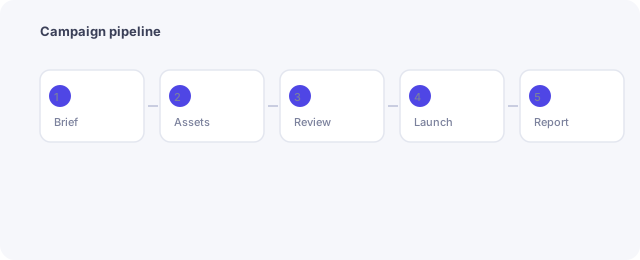
- Outreach: say plainly what you have in mind and roughly what is involved.
- Fit check: does their existing work actually suit the message, or only the audience size?
- Brief: deliverables, dates, message, and anything that must not be said.
- Terms: usage window, platforms, editing rights, exclusivity if any.
- Draft review: one consolidated round of notes, not a trickle.
- Approval and publish, with both sides clear on timing.
- Wrap: record what shipped, what worked, and whether to repeat.
Reviewing without flattening the work
You approached a creator because their voice reaches people yours does not. Editing that voice into your house style removes the reason for the collaboration, and audiences notice when a post does not sound like the person who published it.
Review against the brief and against accuracy, not against taste. Factual corrections and claim boundaries are legitimate; rewriting phrasing rarely is. Consolidate notes into a single message from one person, because contradictory feedback from three stakeholders is the fastest way to lose a good collaborator. Related structure sits in content approval and campaign planning.
Common questions
Should terms be a formal contract?
For small collaborations a clear written summary both parties confirm is usually enough. What matters is that it exists in writing, not that it is elaborate.
How many revision rounds are reasonable?
One substantive round, plus corrections. More than that usually indicates the brief was unclear rather than the draft being wrong.
Should collaborations be one-off or ongoing?
Repeat work usually performs better, because the creator understands the product and the audience has seen the pairing before. One-off collaborations spend most of their value on introductions.
What if the post underperforms?
Pay as agreed. You commissioned work, not a result, and reach depends on factors neither side controls. See the services page for available categories.
Related guides
More on this topic from the same section: