A calendar is a commitment device. The value of an instagram content calendar is not that it lists dates, but that it forces decisions to happen before the day of publishing, when there is still time to change them. Teams that plan same-day tend to publish whatever is easiest, which is rarely what the account needs.
Plan in cycles, not in posts
Think in four-week cycles. Before a cycle begins, agree three things: how many posts will ship, in what format mix, and which themes they serve. Individual captions can wait; the shape of the month cannot. A cycle agreed in advance survives a busy week, because the decision was already made when everyone had time to think.
Keep the format mix explicit. Writing "twelve posts" invites twelve of whatever is quickest. Writing "six reels, four carousels, two single images" produces a month that actually varies, and makes it obvious when a format is being avoided because it is hard rather than because it underperforms.
The working cycle
- Week zero: agree post count, format mix and themes for the coming cycle.
- Week zero: block the slots in the calendar with placeholders and owners.
- Week one: draft captions and brief the visuals against those placeholders.
- Week two: review gate — anything unapproved by this point moves to the next cycle.
- Week three: schedule approved posts; keep two slots deliberately empty.
- Week four: publish, respond, and record what shipped against what was planned.
Those two empty slots matter. A calendar with no slack cannot absorb a timely post, and the first thing an over-committed calendar loses is responsiveness.
Measuring the plan, not just the posts
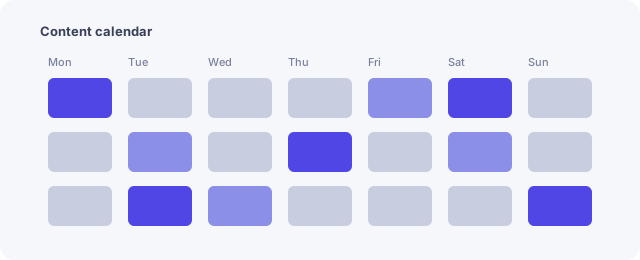
At the end of each cycle, compare planned versus published. A gap of one or two is normal. A consistent gap means the plan is unrealistic and should be reduced rather than repeatedly missed — an accurate small calendar beats an aspirational large one.
Feed the results back into planning. If carousels consistently ship late, either the briefing is too thin or the format is too expensive for the current team. Both are fixable once the pattern is written down. For the underlying account review that should precede a first calendar, see the profile audit checklist, and for reporting the outcome upward, the monthly report structure.
Common questions
How far ahead should a calendar run?
One cycle in detail and one in outline. Detail beyond eight weeks usually gets rewritten before it is used.
Should every slot be filled before the cycle starts?
No. Fill roughly eighty per cent and leave room for anything timely. A fully booked calendar quietly rules out reacting to anything.
Who owns the calendar?
One named person, even on a large team. Shared ownership of a schedule reliably produces an unmaintained schedule. Support questions about SmmDad ordering timelines are handled through contact.
Related guides
More on this topic from the same section: